
Stomach upset on holiday in Hurghada: prevention, treatment and when to see a doctor
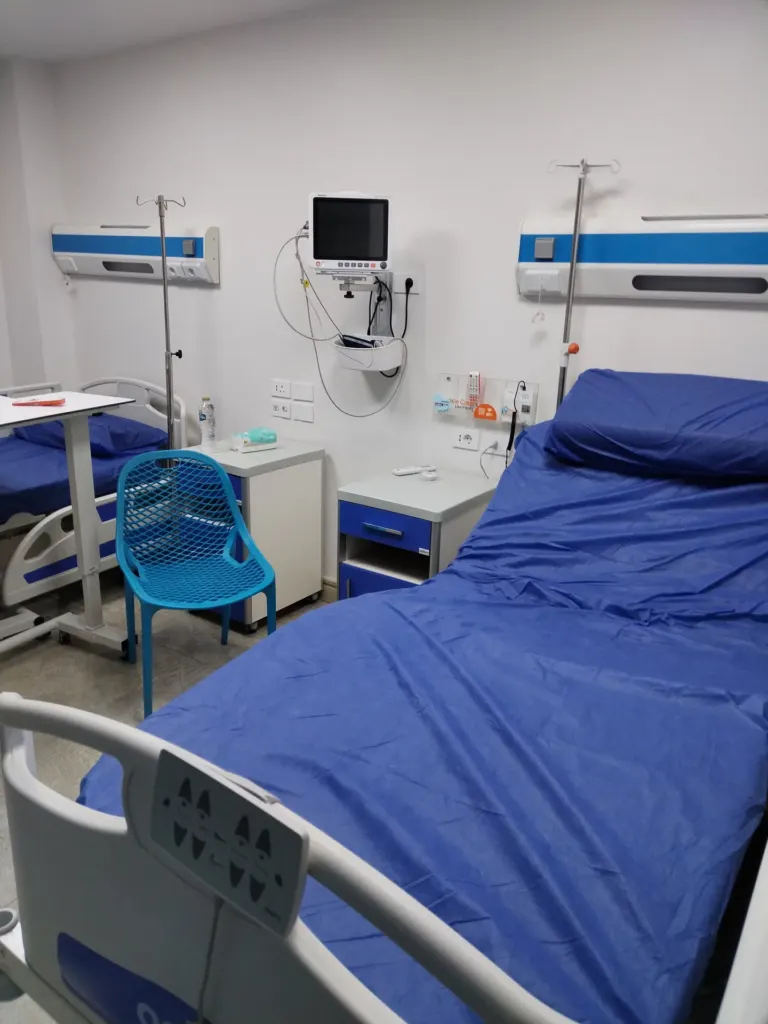
A stomach upset is the most common reason holidaymakers in Egypt need medical advice. Most cases are mild and pass within a few days, but dehydration can develop quickly in the Red Sea heat — especially in children and older travellers. Here is how to lower your risk, what to do if it happens, and when to see a doctor.
Why stomachs get upset on holiday
Traveller’s diarrhoea is usually caused by bacteria, viruses or, less often, parasites in food or water that your body is not used to. Heat, long days in the sun, alcohol and a change in diet can make the symptoms worse. It is not a sign that a hotel or restaurant is dirty — even careful travellers can be affected.
How to lower your risk
- Drink bottled or properly treated water, and use it to brush your teeth if you are unsure about the tap water.
- Wash your hands with soap before eating and after using the toilet; carry hand sanitiser for the beach and excursions.
- Choose food that is freshly cooked and served hot. Be careful with buffet dishes that have been standing at room temperature for a long time.
- Peel fruit yourself, and be cautious with raw salads and ice if you do not know how they were prepared.
- Drink plenty of fluids throughout the day: the heat increases your fluid needs even before you fall ill.
What to do if you get diarrhoea
The most important treatment is replacing the fluid and salts you lose. Drink small amounts often. Oral rehydration solution, available at pharmacies, is better than plain water because it also replaces salts and sugar. Eat light food — rice, bread, bananas, soup — as soon as you feel able to.
Rest, stay out of the sun and avoid alcohol until you feel better. Do not take medicines that stop diarrhoea if you have a fever or blood in your stool, and always ask a doctor or pharmacist before giving any medicine to a child.
Children, pregnant women, older travellers and people with a chronic illness become dehydrated faster. For them, it is better to see a doctor early rather than wait.
Warning signs: when to see a doctor
- You cannot keep fluids down, or vomiting continues for more than a few hours
- Signs of dehydration: very little or dark urine, dizziness, a dry mouth, unusual tiredness or confusion
- A high fever, severe abdominal pain or blood in your stool
- Diarrhoea that lasts longer than two to three days, or keeps returning
- A baby or young child with diarrhoea who drinks poorly, is unusually sleepy or has fewer wet nappies
If any of these apply, contact us. A doctor examines you, checks for dehydration and can arrange laboratory tests if needed. Many patients improve quickly with intravenous fluids and the right medication. If you are too unwell to travel, we can send a doctor to your hotel.
Travel insurance and paperwork
Treatment for a stomach infection is usually covered by travel insurance. Bring your passport and your insurance details: we contact your insurer and arrange the paperwork for you. Read more about insurance and payment.