
Ear problems after diving or snorkelling in the Red Sea
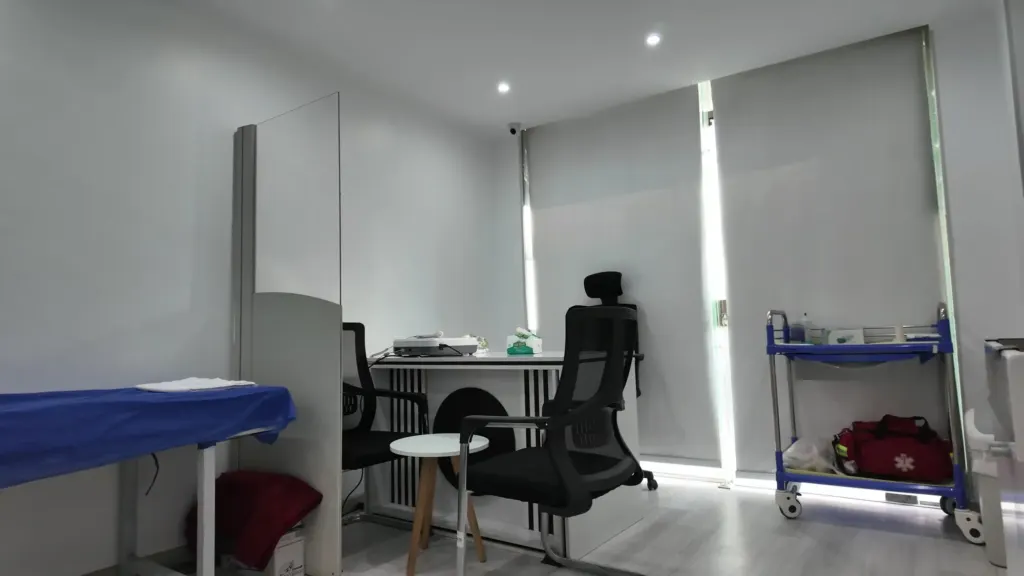
The Red Sea is one of the best places in the world to dive and snorkel. It is also where many holidaymakers discover how sensitive their ears are to water and pressure. Most ear problems are minor and easy to treat if you act early — and easy to prevent if you know what to watch for.
The two most common ear problems in the water
Swimmer’s ear (otitis externa) is an infection of the ear canal. Water that stays in the ear softens the skin and allows bacteria to grow. Typical signs are itching, pain when you touch or pull the ear, a blocked feeling and sometimes discharge. It often starts a day or two after lots of time in the water.
Ear barotrauma happens when the pressure in your middle ear does not equalise with the water pressure as you descend or ascend. Typical signs are pain during or right after a dive, a feeling of fullness, muffled hearing and sometimes a little blood from the nose or ear. Divers are most at risk, but it can also happen to snorkellers who duck-dive.
How to prevent ear problems
- Equalise early and often on the way down — before you feel discomfort — and never force it.
- If you cannot equalise, ascend a little and try again. Abort the dive if it still does not work.
- Do not dive or duck-dive with a cold, a blocked nose or a sinus infection.
- Dry your ears gently after swimming by tilting your head; do not use cotton buds inside the ear canal.
- If you are prone to swimmer’s ear, ask a doctor or pharmacist about suitable ear drops before your holiday.
When to see a doctor
- Ear pain that is getting worse or lasts more than a day
- Discharge from the ear, fever or swelling around the ear
- Reduced hearing, ringing in the ear or a blocked feeling that does not clear
- Dizziness or a spinning sensation after a dive
A doctor can examine your ear canal and eardrum and recommend the right treatment — often ear drops, pain relief and a short break from the water. If the eardrum is damaged, you will be advised not to dive until it has healed. Our outpatient clinics see these problems every day.
A diving emergency is different. Severe dizziness, weakness, numbness, joint pain, breathing difficulties or confusion after a dive can be signs of decompression illness. Stop diving, breathe oxygen if your dive centre has it, and call for emergency help immediately.
Before you fly home
Flying with a blocked or injured ear can be painful. As a general rule, allow at least 24 hours between your last dive and your flight, and ask a doctor to check your ears if they still feel blocked. If needed, we can issue a fit-to-fly certificate.